
Rock Wool Pipe Insulation | Isopipe
Pipe rock wool is one of the most widely used types of rock wool insulation in various industries.
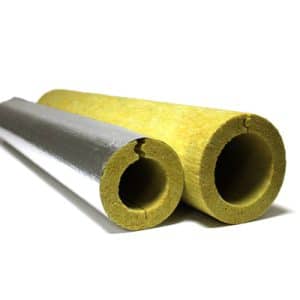
It is manufactured in both open (slit) and closed (non-slit) forms, with or without jackets, and in different diameters according to customer preferences.
Isopipe is commonly used in oil and gas industries, especially for pipeline insulation. It is also ideal for transporting hot, cold, and steam-containing fluids, thermal-cooling systems, HVAC, and noise reduction in sewage and restroom systems.
This pipe insulation prevents energy loss and helps protect the safety of workers in industrial environments.
The product has excellent resistance to corrosion, very high temperatures, shrinkage, and more.
The insulation is split along its length to wrap around the pipe and is supported by metal or plastic bands for secure installation.
This product is manufactured in different types, selected based on project requirements:
Pre-fabricated pipe rock wool insulation without coating: Used in applications where no additional protection is needed or suitable coating is applied after installation. This type is typically used in controlled indoor environments.
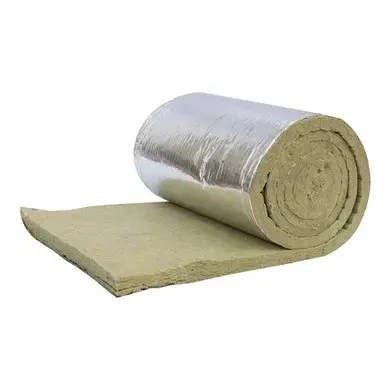
Pre-fabricated pipe rock wool insulation with simple aluminum foil coating: This coating is suitable for applications requiring protection against moisture and dust. It helps reduce condensation and protect the insulation.
Pre-fabricated pipe rock wool insulation with reinforced aluminum foil coating: This coating has higher strength and is recommended for industrial environments and harsh conditions, offering better resistance to impact and pressure.
What is Pipe ROCKWOOL Insulation ?
Pipe Insulation (ROCKWOOL) is a type of insulation designed to prevent heat loss or gain in piping systems, reduce condensation, and improve energy efficiency. This cylindrical insulation is used for both hot and cold pipes and is typically manufactured with aluminum foil or tissue facing. When purchasing, it’s important to consider the pipe dimensions.
In long hot and cold pipe runs, maintaining the desired temperature is crucial. Without insulation, temperature differences between the pipe and surrounding air can cause condensation and moisture, potentially damaging building structures. Additionally, uninsulated pipes in areas without proper heating or cooling systems result in significant energy loss. Insulating hot pipes reduces heat loss and enhances the efficiency of heating systems, while insulating cold pipes helps maintain the required temperature and prevents cooling losses.

What is the application of Pipe ROCKWOOL Insulation?
Pipe insulation made of stone wool is widely used across various industries due to its excellent thermal and acoustic insulation properties.
It plays a key role in reducing energy loss, enhancing safety, and preventing environmental damage.
Applications of Pipe Rockwool Insulation in Different Industries:
Oil, Gas, and Petrochemical Industries:
Used as insulation for pipelines transporting chemicals, oil, and gas. It prevents heat loss and enhances the safety of piping systems.Food Industry:
Applied in the insulation of refrigeration pipes, ventilation systems, and food transfer lines. It helps maintain temperature, reduces energy consumption, and prevents condensation.HVAC Systems:
Enhances pipe protection, improves energy efficiency, and reduces operational costs in heating and cooling systems.Marine and Shipbuilding Industry:
Used in ships and offshore platforms for insulating steam, ventilation, and hot water pipes. Highly resistant to moisture and harsh environmental conditions.Steel, Cement, Copper, and Aluminum Industries:
Insulation of pipelines helps control heat transfer, reduce energy consumption, and increase process efficiency.Construction Industry:
Applied in buildings for insulating cold and hot water piping systems in ceilings, walls, and floors. It prevents energy loss, lowers fuel consumption, and reduces noise pollution.
Advantages of Pipe Insulation Compared to Other Types of Insulation
Key Features of Pipe Rockwool Insulation Compared to Other Types
Pipe rockwool insulation is one of the most widely used insulation materials in various industries due to its excellent thermal and acoustic performance. Here are the key features that make it stand out:
Non-combustible and Fire-Resistant
This insulation is non-flammable, with a melting point of around 1800°C. It doesn’t deform under high temperatures and prevents fire spread, enhancing building safety.Low Thermal Conductivity
With optimal thickness and density, it offers minimal heat transfer—ideal for thermal insulation applications.High Heat Resistance
Made from basalt and refractory oxides, it retains stability at high temperatures, maintaining performance up to 350°C.Effective Sound Insulation
Besides thermal performance, it provides excellent sound absorption, preventing noise transmission. Greater thickness results in better thermal and acoustic insulation.Anti-Bacterial and Fungal-Resistant
Inert material that resists mold, bacteria, and pests—ideal for damp or industrial environments.Eco-Friendly
Environmentally safe, it doesn’t corrode metals or release harmful gases.Skin-Friendly
Unlike other insulations, it does not irritate or harm human skin upon contact.Cost-Effective
Compared to organic or polymer insulations, it is more affordable and economical.
Pipe rockwool insulation is widely used across various industries due to its excellent thermal insulation properties. It plays a key role in reducing energy loss, enhancing safety, and preventing environmental damage
Oil, Gas, and Petrochemical Industries
Food Industry
Heating, Ventilation, and Air Conditioning (HVAC) Systems
Shipbuilding and Marine Industries
Steel, Cement, Copper, and Aluminum Industries
Construction Industry

Types of Pipe Rockwool Insulation
This product is manufactured in various types, selected according to the project requirements:
Preformed pipe rockwool insulation without facing: Used in applications where no additional protection is needed, or an appropriate facing is added after installation. This type is typically used in controlled indoor environments.
Preformed pipe rockwool insulation with plain aluminum foil facing: Suitable for applications requiring protection against moisture and dust. This facing helps reduce condensation and protects the insulation.
Preformed pipe rockwool insulation with reinforced aluminum foil facing: This type has higher durability and is recommended for industrial environments and harsh conditions. It provides greater resistance against impact and pressure.

Thicknesses of Pipe Rockwool Insulation
Thickness of insulation depends on the thermal and acoustic requirements of the project. Generally, greater thickness means better insulation, but it should be chosen according to space limitations and application type.
Pipe Rockwool insulation with 25 mm thickness
Pipe Rockwool insulation with 30 mm thickness
Pipe Rockwool insulation with 40 mm thickness
Pipe Rockwool insulation with 50 mm thickness
Pipe Rockwool insulation with 60 mm thickness
Pipe Rockwool insulation with 70 mm thickness
Pipe Rockwool insulation with 80 mm thickness
Pipe Rockwool insulation with 90 mm thickness
Pipe Rockwool insulation with 100 mm thickness
Recommendations:
It is essential to review and comply with relevant standards regarding insulation thickness for various applications such as oil and gas industries, construction, and HVAC systems.
Pipe Rockwool Insulation DiametersTranslateAsk ChatGPT
Pipe Rockwool insulation with 1 inch diameter
Pipe Rockwool insulation with 1 – 1.2 inch diameter
Pipe Rockwool insulation with 1.2 inch diameter
Pipe Rockwool insulation with 1 – 1.4 inch diameter
Pipe Rockwool insulation with 2 inch diameter
Pipe Rockwool insulation with 1.2 – 2 inch diameter
Pipe Rockwool insulation with 3 inch diameter
Pipe Rockwool insulation with 3.4 inch diameter
Pipe Rockwool insulation with 5 inch diameter
Pipe Rockwool insulation with 6 inch diameter
Pipe Rockwool insulation with 8 inch diameter
Pipe Rockwool insulation with 10 inch diameter
Pipe Rockwool insulation with 12 inch diameter
Installation Method of Pipe Insulation

Proper installation of pipe insulation increases their lifespan and performance. The installation steps are as follows:
Creating a slit on the insulation: During manufacturing, a longitudinal slit is made to allow the insulation to be opened.
Placing the insulation on the pipe: The insulation is opened along the slit and fitted around the pipe.
Securing with wire: Iron wires are used at specified intervals to hold the insulation firmly in place.
Sealing with special mastic: All joints are sealed with special mastic to prevent heat leakage.
Installing the final covering: Finally, to protect the insulation against moisture, heat, and environmental factors, a layer of galvanized sheet or aluminum sheet is installed over it.
Price of Pipe Rockwool Insulation
The price of this product is one of the most frequently asked questions by buyers and is influenced by several factors:
Factors affecting the price of Pipe Rockwool Insulation:
Model: This product is available in various types, including simple pre-made rockwool, uncoated rockwool, rockwool with simple or flat aluminum foil coating, and untreated rockwool. Each type serves different applications.
Density and Thickness: Generally, the thicker and denser the insulation, the higher the price.
Quality and Brand: Product quality directly impacts price. Well-known brands typically offer higher quality products at a higher cost. The purity of mineral materials like basalt and chemicals such as resin enhances the final product quality.
Negin Aayegh Sepahan Company continuously invests in R&D to provide the highest quality products to the market.
Other Factors: Purchase volume, market conditions, exchange rates, raw material costs, geographic location, and required standards also affect pricing.
For accurate pricing details, it is recommended to contact Negine Aayegh Sepahan and compare price quotes. Keep in mind that market fluctuations and economic factors can influence prices.
Buying Pipe Rockwool Insulation
With the increasing use of pipe rockwool insulation across various industries and the growing demand for this material, its sales have also risen. Purchasing this product is easy, but for the best results, it is recommended to review its specifications and features and select the appropriate type based on your needs.
If quality matters to you, it is advisable to choose pipe insulation from reputable brands such as Negin Aayegh Sepahan. Never compromise quality for price, as high-quality products offer greater durability and better insulation performance. Additionally, before buying, consider the insulation requirements, usage methods, and maintenance to ensure a better purchase experience.
Now that you are familiar with the features, applications, and specifications of pipe insulation, you can make an informed decision about the type of insulation your environment requires. You can choose the appropriate density and thickness of pipe insulation. For a free consultation, you can contact Negin Aayegh Sepahan at 09120686254. To view pipe rockwool insulation products, please visit this page.